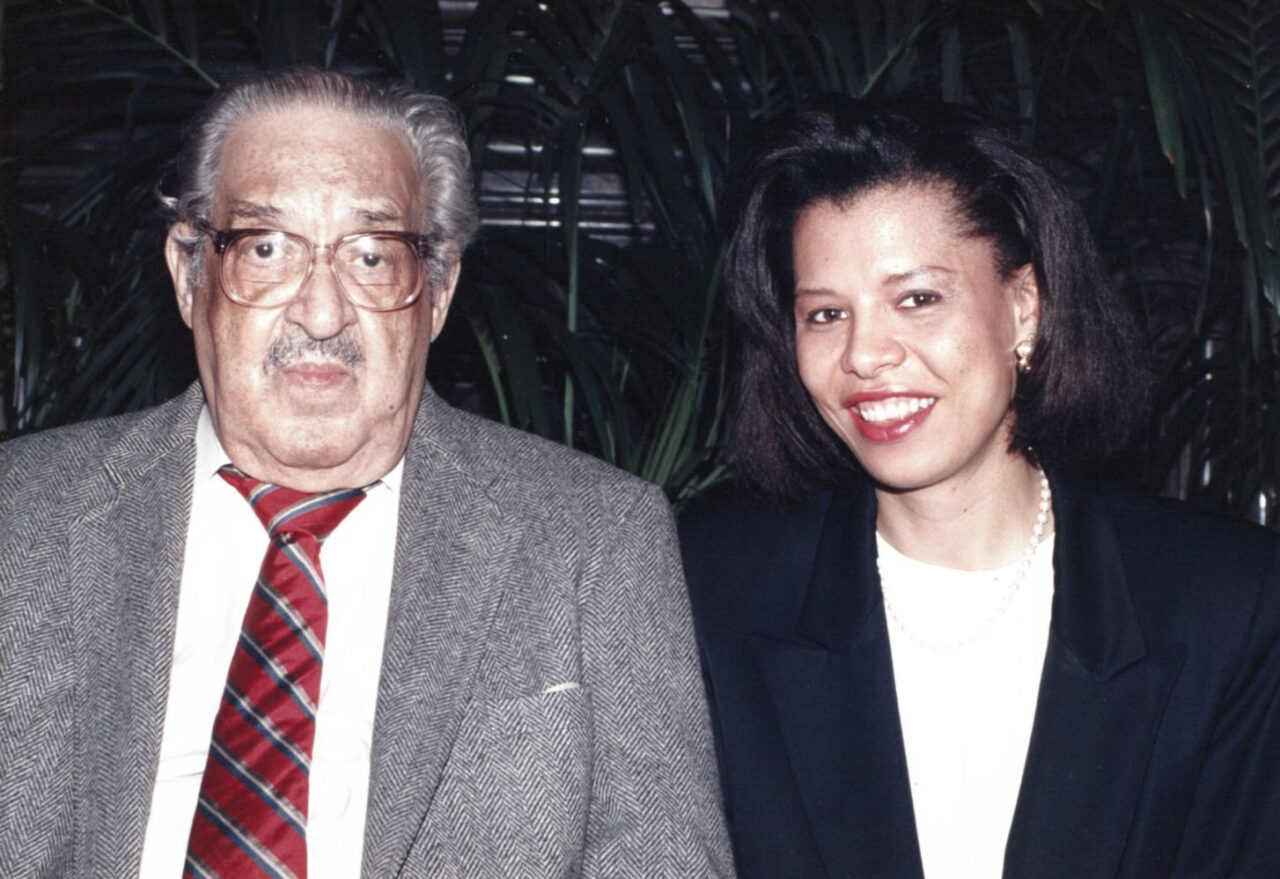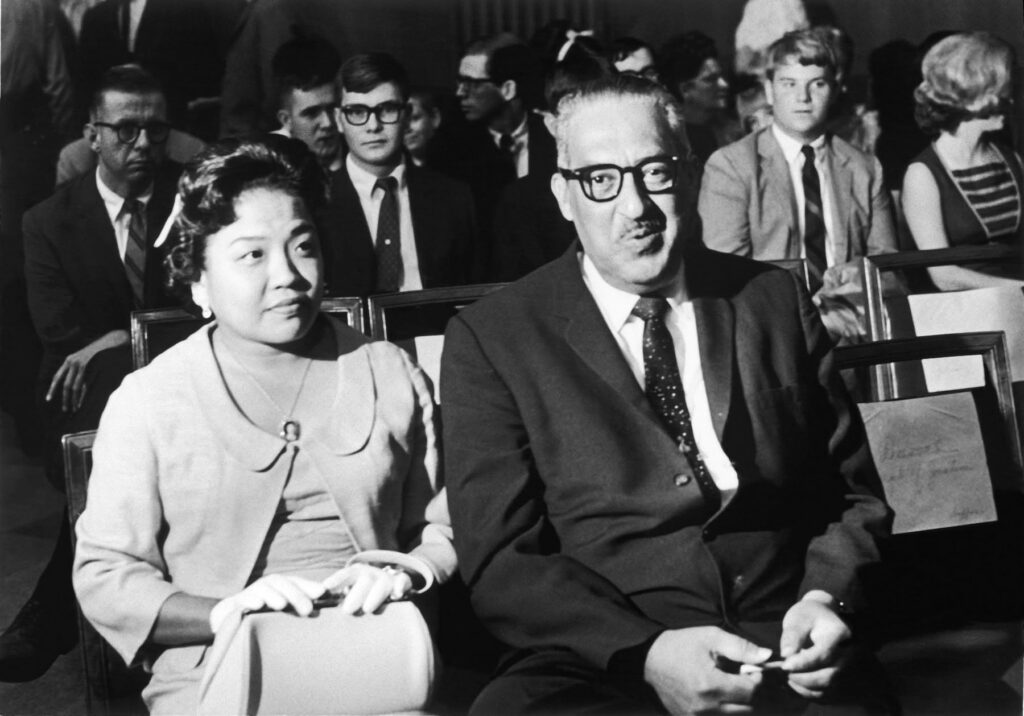
At just fourteen years old, I had the extraordinary privilege of photographing Thurgood Marshall as he arrived by train in Charleston, South Carolina—his presence marking a defining moment in the Briggs v. Elliott trial, the case that would help shape the course of American history. Even as a young observer, I could sense the gravity surrounding him—a man of commanding purpose, walking with quiet resolve yet radiating the confidence of justice in motion.
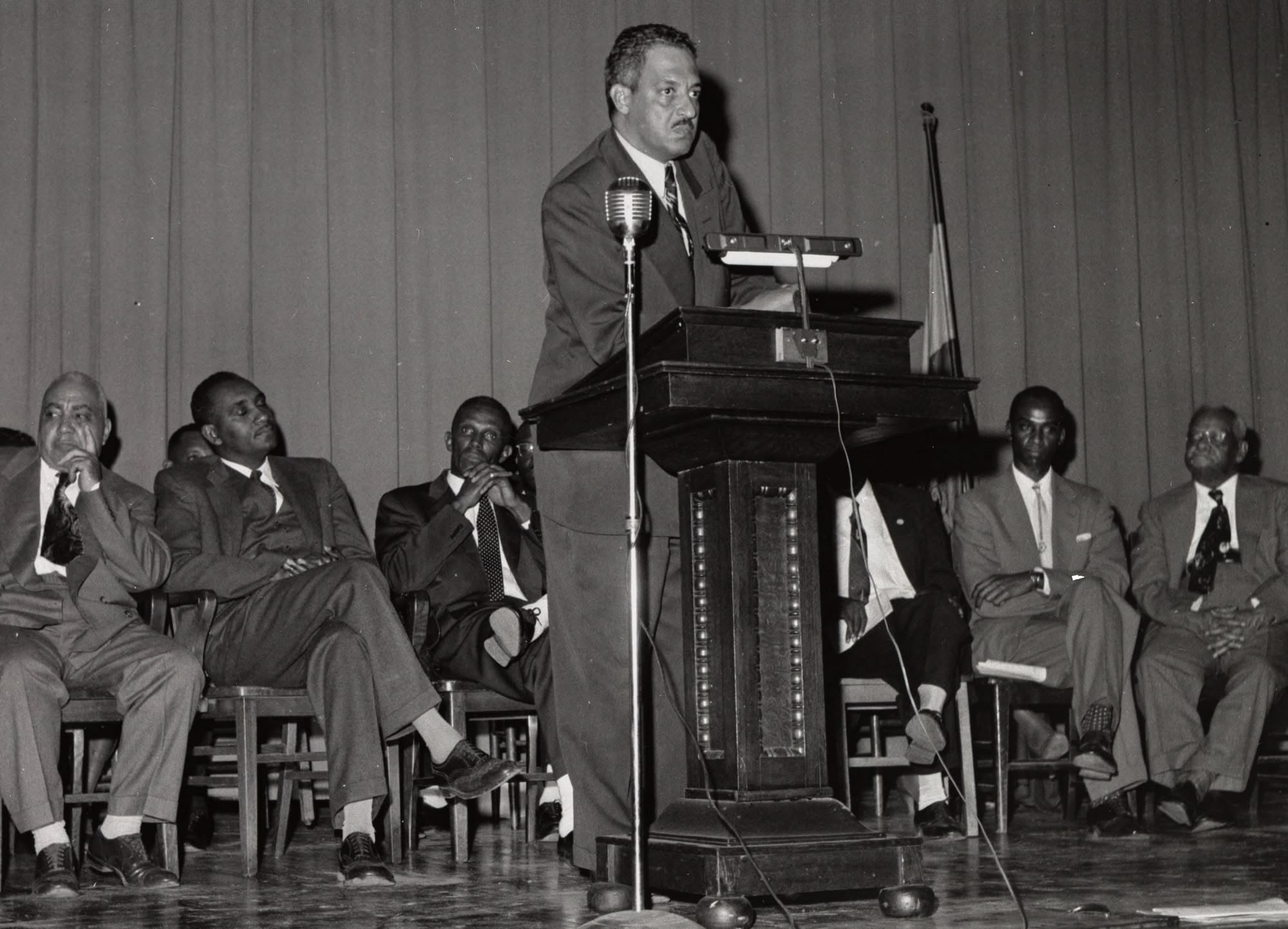
Years later, I would again raise my camera as Marshall appeared at Claflin University to speak about his pivotal role in the Brown v. Board of Education decision. He was brilliant, bold, and remarkably human—dedicated to the cause, but also disarmingly warm, colorful, and filled with humor. I often found myself laughing at his stories, told with that distinct cadence and wit that made him unforgettable.
While in Orangeburg, I had the honor of riding in a car as local leaders guided him through our community—visiting churches, homes, and the hearts of people who revered him. Those moments remain etched in my memory: the laughter, the reverence, and the sense that we were in the company of one of America’s greatest heroes. To witness Thurgood Marshall up close was to glimpse history itself in motion—a man whose courage and conviction changed the world, and whose spirit still inspires mine to this day.