Directing a documentary about Thurgood Marshall—especially one that includes the participation of his family—was both a profound honor and an immense responsibility. From the beginning, the goal was not just to tell the story of a legendary figure, but to allow Thurgood Marshall himself to tell it, in his own voice, through the remarkable oral history preserved at Columbia University. Hearing his cadence, his humor, and his conviction made the project feel intimate, as though history itself was speaking directly to us.
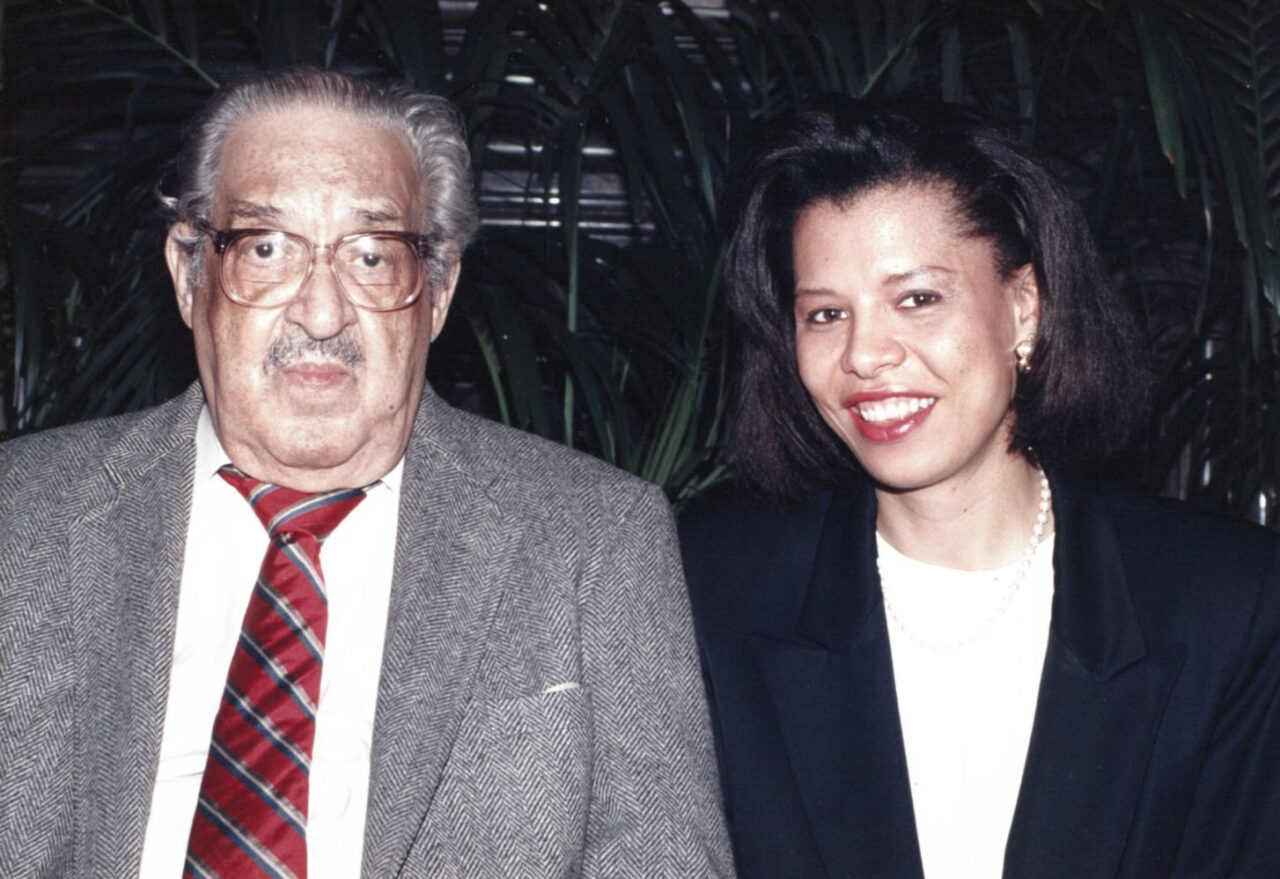
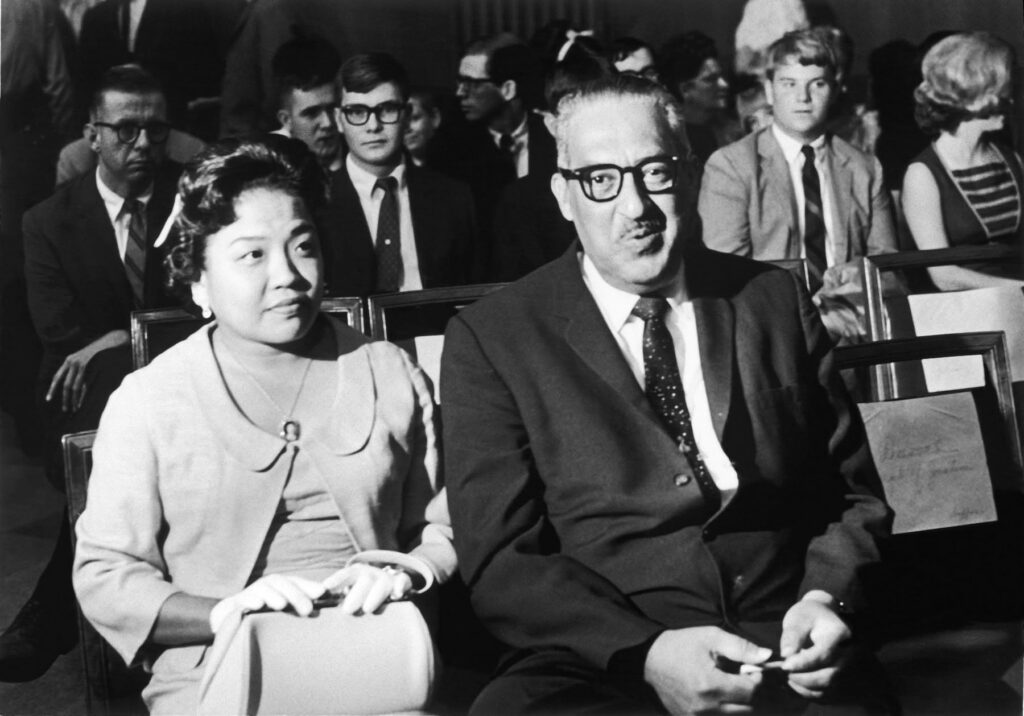
Working with his family added depth and authenticity that no archive could replace. Their presence grounded the film, reminding everyone involved that Marshall was not only a Supreme Court Justice and civil rights strategist, but also a husband, father, and friend. Their insights and trust gave the project its emotional heartbeat—connecting the personal man to the monumental legacy.
Throughout production, we understood that this work would live beyond broadcast. It would find its way into classrooms, public libraries, and homes—reaching future generations of students and citizens who may not yet know how deeply Thurgood Marshall shaped the America we live in today. That understanding carried a sense of duty: to be accurate, rigorous, and clear-eyed about the struggles and triumphs of his era.
In a time when history is too often simplified or rewritten, it felt essential to preserve the truth—to let Marshall’s own words stand as evidence of the intelligence, courage, and vision that redefined justice in America. Directing this documentary was more than a creative endeavor; it was an act of stewardship, ensuring that one of the most important voices in U.S. history remains heard, unfiltered and undeniable.