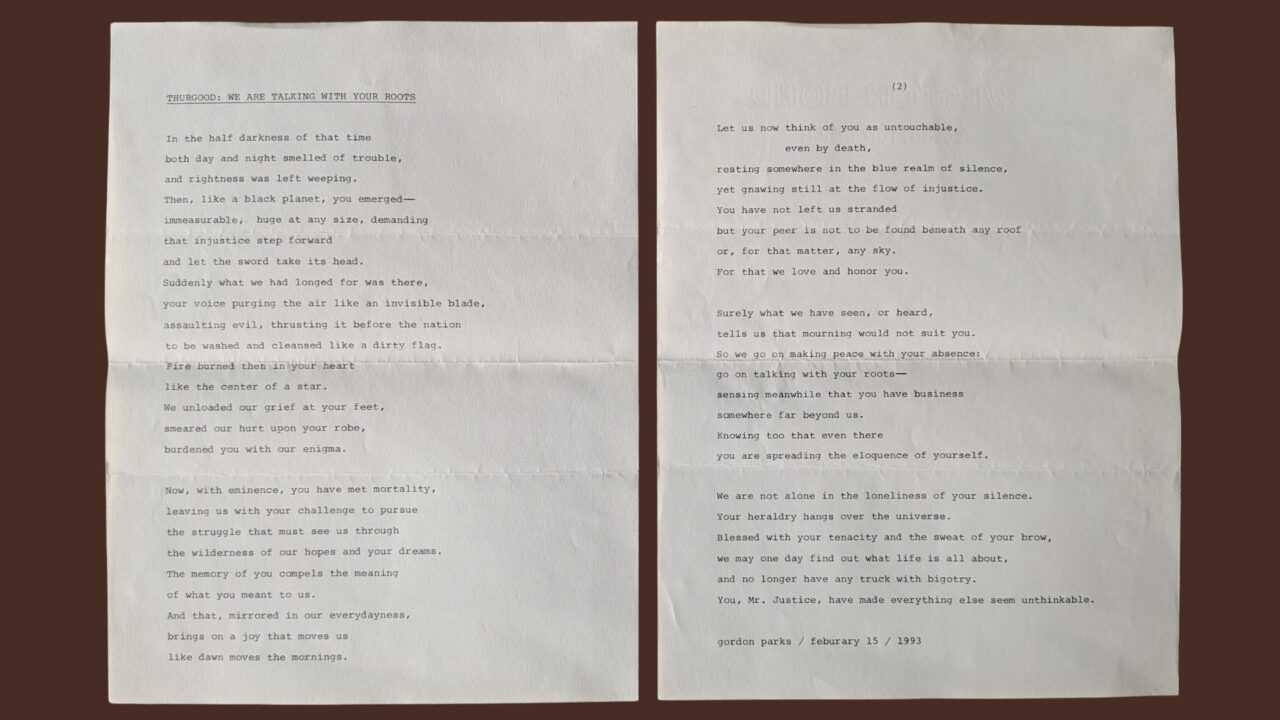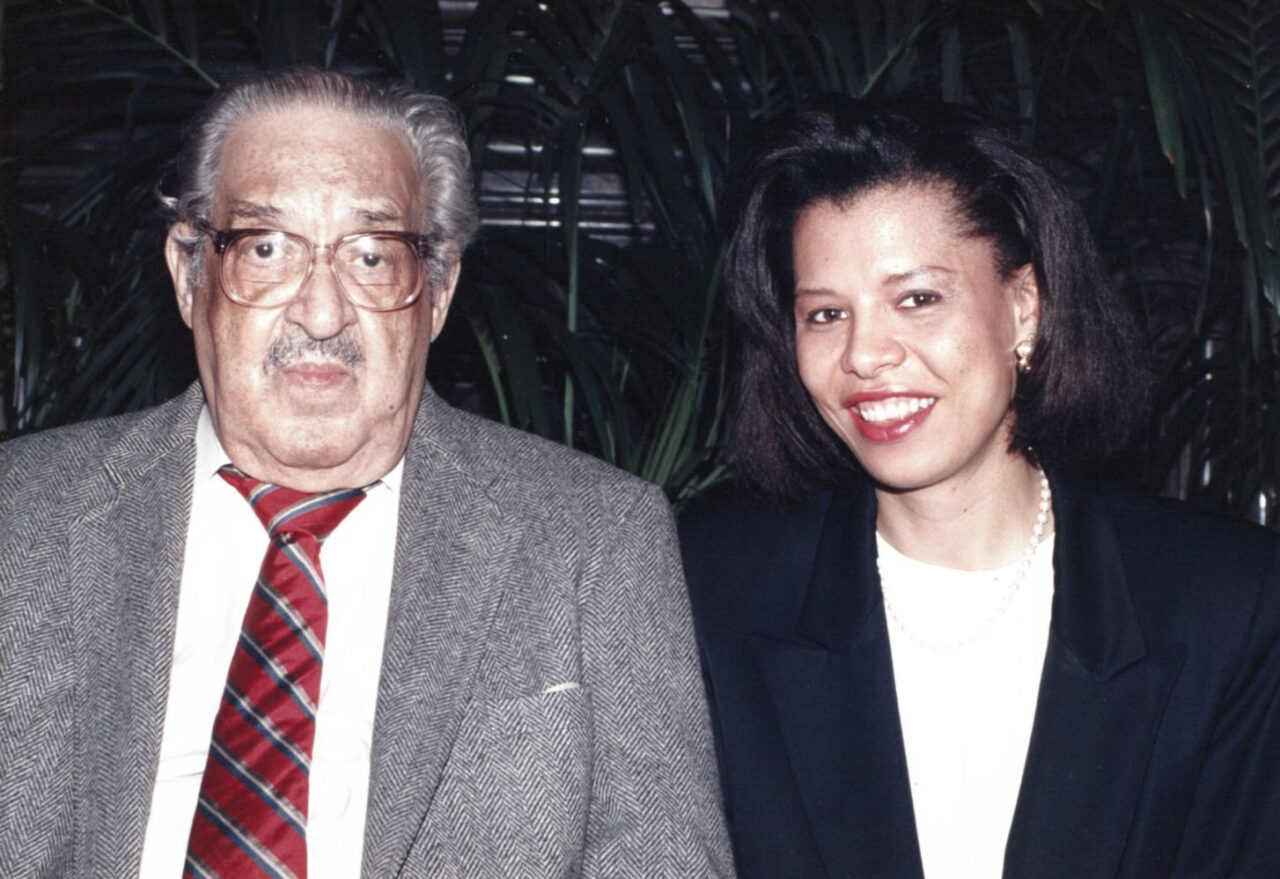
In January 1993, I stood in the Great Hall of the Supreme Court of the United States as my grandfather, Justice Thurgood Marshall, lay in state. I was just 11 years old, but I remember the long line of families waiting patiently to pay their respects. Even then, I understood that my grandfather’s life was not just about his own story, it was about the countless people who believed in the promise of America and fought to make it real.
That memory has never left me. It is one of the reasons I started the Thurgood Marshall Foundation: to preserve his legacy, to share his story, and to ensure that the struggle for justice and equality continues with the next generation.
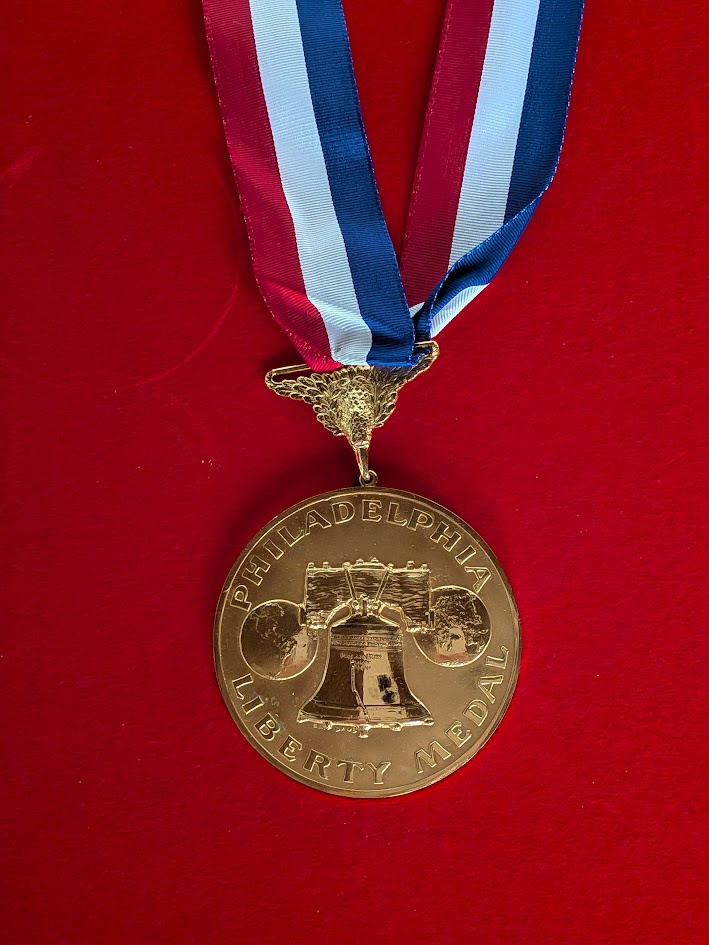
When I think about why this work is so urgent, I often return to one of his final public addresses, his Liberty Medal acceptance speech on July 4, 1992, at Independence Hall. Standing on the same ground where the ideals of democracy were first declared, he reminded us that freedom and equality are not self-sustaining, they must be fought for, protected, and renewed by every generation.
In that speech, he celebrated the courage of people like Heman Sweatt and the Shelleys, ordinary individuals who stood up to injustice and, in doing so, changed the course of history. But he also issued a warning. He reminded us that laws can open doors, but they cannot build bridges. That work, he said, belongs to us.
“We must dissent from the indifference. We must dissent from the apathy. We must dissent from the fear, the hatred and the mistrust. We must dissent because America can do better, because America has no choice but to do better.”
More than thirty years later, his words are as urgent as ever. We still live in a nation divided by race, class, and opportunity. We still face indifference where there should be compassion, and inequality where there should be justice. Yet my grandfather also believed deeply in America’s promise, that our diversity is not our weakness, but our strength; that our fates are bound together; and that we will only be free when we learn to see ourselves in one another.
The Thurgood Marshall Foundation carries forward that belief. It is a living commitment to dissent from indifference, to keep telling the stories that shaped our democracy, and to educate and inspire new generations.
I remember standing inside the velvet rope at the Supreme Court, watching over my grandfather’s coffin as visitors passed by. I understood that he did not belong only to our family but to the nation. Today, I feel that same duty, to protect his legacy and carry it forward. The Thurgood Marshall Foundation is my way of honoring that responsibility, and of keeping alive his message that America can, and must, do better.
Below is the full text of my grandfather’s Liberty Medal acceptance speech—a timeless call to conscience and action.
TM_libertyspeechAs we reflect on these words, may we remember that dissent is not division, it is devotion. It is the act of believing in this country enough to demand that it live up to its ideals. The Thurgood Marshall Foundation exists to keep that belief alive: to preserve the history, amplify the stories, and inspire the leaders who will carry forward his vision of a true democracy.
Together, we can continue the work he began—and build the bridges he called us to create.